Emergency Roof Repair Philadelphia: 24/7 Fast Response for Storm Damage & Leaks
When disaster strikes your roof in Philadelphia, every second matters. Whether it’s a nor’easter tearing offshingles, a summer thunderstorm causing leaks, or winter ice dams threatening your home’s integrity, emergency roofrepairs can’t wait until morning. Philadelphia’s unpredictable weather patterns—from intense storms to freeze-thawcycles—create unique challenges that require immediate, professional intervention to protect your property andfamily.
The difference between minor water damage and catastrophic destruction often comes down to how quickly you respond.With Philadelphia’s aging housing stock and frequent severe weather events, understanding when and how to getemergency roof repair services can save you thousands in repair costs and protect your most valuable investment.
24/7 Emergency Roof Repair Services in Philadelphia
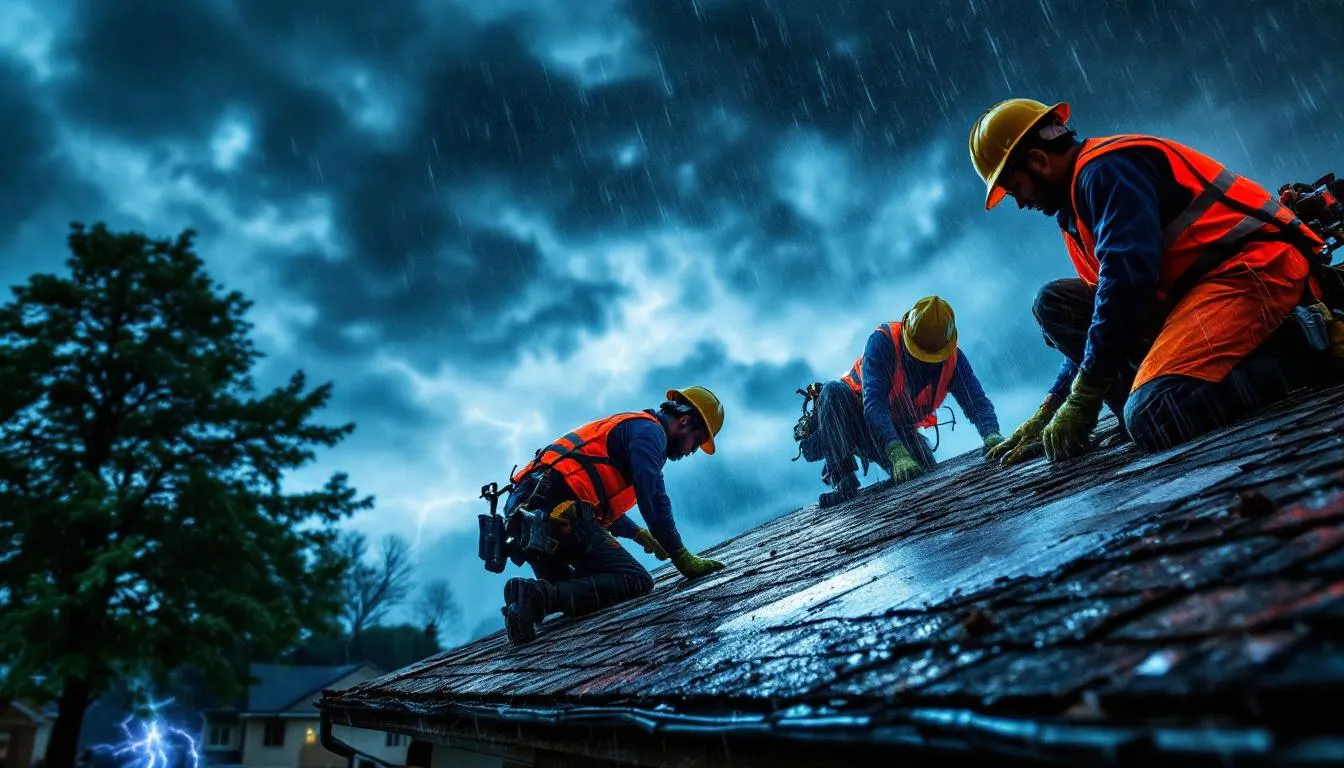
Philadelphia’s unpredictable weather doesn’t follow a schedule, and neither do we. Our immediate response team standsready around the clock to handle urgent roof repairs across the greater Philadelphia area. When you call ouremergency hotline, you’re not reaching an answering service—you’re connecting directly with experiencedprofessionals who understand that roof emergencies demand same day roof repair solutions.
Our coverage area extends throughout Philadelphia County, Delaware, Montgomery, Bucks County, and Chester counties,ensuring that whether you’re in Center City or the suburbs, help is never more than a few hours away. Each of ourlicensed and insured roofing contractors brings over 15 years of experience working specifically in the philadelphiaarea, giving them intimate knowledge of local building codes, weather patterns, and the unique challenges posed bythe region’s diverse architecture.
What sets our emergency services apart is our commitment to fast leak stopping and temporary weatherproofing toprevent further damage. We understand that in emergency situations, the primary goal is immediate damage control.Our teams arrive equipped with industrial-grade tarps, emergency sealants, and all necessary equipment to secureyour roof and protect your home’s interior from additional water intrusion.
We provide a free emergency roof inspection and damage assessment within 2 hours of your call. This rapid assessmentallows us to quickly identify the extent of the damage, determine the safest approach for temporary repairs, andprovide you with a clear understanding of what permanent roof repairs will be needed. Our fully equipped emergencyrepair trucks carry everything needed to handle any roofing crisis, from minor leak repairs to major structuralstabilization.
When You Need Emergency Roof Repair in Philadelphia
Recognizing when you need emergency roof repair services versus routine maintenance can mean the difference between aminor repair bill and extensive structural damage. In Philadelphia’s challenging climate, certain situationsabsolutely cannot wait for regular business hours.
Active roof leaks with water entering your home during storms represent the most urgent scenario. Philadelphiareceives an average of 41 inches of rainfall annually, and when that water finds its way through compromised roofingmaterials, it can cause exponential damage within hours. Don’t wait to see if the leak stops when the rain ends—bythen, the damage to your roof deck, insulation, and interior structures may already be severe.
Missing or severely damaged shingles after Philadelphia’s frequent nor’easter storms require immediate attention.These powerful winter storms can generate winds exceeding 60 mph, easily tearing away compromised shingles andleaving your roof deck exposed to the elements. Even if you don’t see immediate leaking, exposed areas will quicklydeteriorate under continued weather exposure.
Hail damage from severe thunderstorms, particularly common during Philadelphia’s spring and summer months, createsvulnerabilities that worsen rapidly. Hail damage may not always result in immediate leaks, but it compromises theintegrity of shingles and can lead to sudden failures during subsequent storms. Professional assessment is crucialbecause hail damage isn’t always visible to untrained eyes.
Tree or debris impact damage from high winds requires emergency response both for safety and property protection.Philadelphia’s mature tree canopy, while beautiful, poses significant risks during storms. When branches or entiretrees impact roofing systems, the damage often extends beyond what’s visible from the ground, potentiallycompromising structural elements that could lead to sudden collapse.
Ice dam formation during Philadelphia’s winter freeze-thaw cycles creates unique challenges that demand immediateprofessional intervention. When snow melts and refreezes at roof edges, it can force water under shingles and intothe home’s interior. The weight of ice dams can also damage gutters and roofing materials, creating multiple pointsof water intrusion.
Structural damage from heavy snow loads becomes critical when Philadelphia receives its average 22 inches of annualsnowfall in short periods. Roofs designed for typical loads can become overwhelmed during heavy, wet snow events,particularly on flat or low-slope roofs common in the city’s commercial districts and row house extensions.
What Emergency Philadelphia Clients Say
Real experiences after hiring a emergency roof professional
Testimonials Coming Soon
We're gathering testimonials from our satisfied clients. Check back soon to see what people are saying about our services.
Immediate Steps During a Philadelphia Roofing Emergency
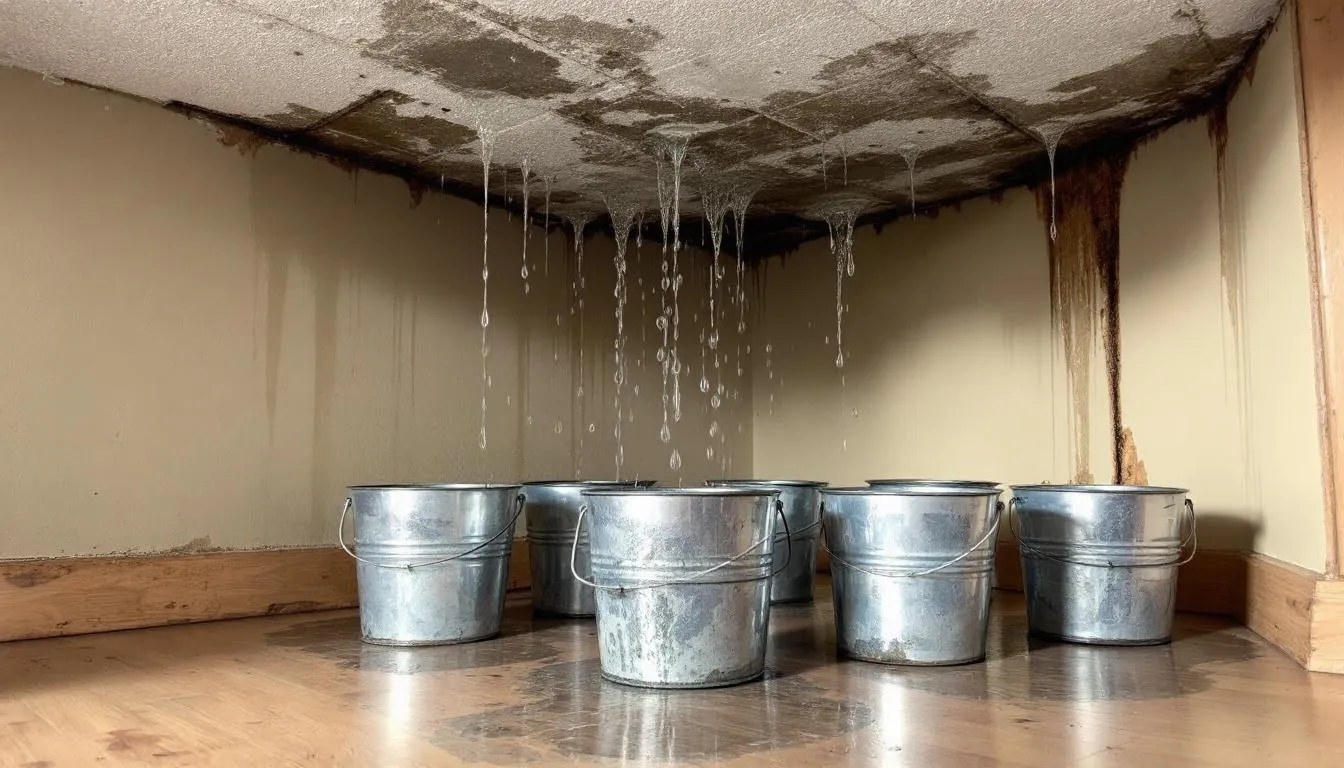
When facing a roofing emergency, your immediate actions can significantly impact the extent of damage to yourproperty. The first priority is always safety—never attempt to access a damaged roof during active storms or whenconditions are unsafe.
Move furniture and valuables away from leak areas immediately. Water damage to personal property often exceeds thecost of roof repairs themselves. Create as much clearance as possible around affected areas and elevate items offthe floor where water might spread.
Place buckets, tarps, or containers to catch dripping water and protect flooring. This simple step can preventthousands of dollars in flooring damage and reduce the risk of slip hazards. Position containers to account for windeffects that might change the direction of drips, and empty them regularly to prevent overflow.
Turn off electricity to affected areas if water is near electrical outlets or fixtures. Water and electricity createdeadly combinations, and this safety measure is non-negotiable. If you’re unsure about electrical safety, contact aprofessional rather than risking electrocution.
Document all damage with photos and videos for insurance claim purposes. This documentation becomes crucial forinsurance claims and should be completed as soon as it’s safe to do so. Include wide shots showing the overalldamage area and close-ups detailing specific problems. Timestamp your photos if possible.
Call emergency roof repair service immediately—delays worsen damage exponentially. In Philadelphia’s humid climate,water damage accelerates quickly, and mold growth can begin within 24-48 hours. What starts as a minor leak canbecome a major restoration project if not addressed promptly.
Do not attempt to climb on wet or damaged roofs during storms. This cannot be emphasized enough—emergency situationscreate dangerous conditions that require professional equipment and training. DIY repairs often make situationsworse and can void insurance coverage.
Remove standing water from floors to prevent mold growth, which becomes critical within 24-48 hours in Philadelphia’saverage 64% humidity. Use mops, towels, or wet vacuums to eliminate standing water as quickly as possible. Set upfans and dehumidifiers if available to accelerate drying.
Contact your insurance provider within 24 hours to report the claim. Most insurance policies require promptnotification of damage, and delays in reporting can complicate or jeopardize your coverage. Have your documentationready when you call.
Speak With a Emergency Roof Professional in Emergency Philadelphia Today
Free, no-obligation consultation — connect with a trusted emergency roof professional serving Emergency Philadelphia
Contact Information
Phone
(267) 555-0199Address
Send us a message
Common Emergency Roof Problems in Philadelphia
Storm and Wind Damage Repairs
Philadelphia’s location makes it particularly susceptible to storm damage from multiple weather systems. The cityexperiences average winds of 12 mph year-round, but storm conditions can generate gusts exceeding 80 mph, creatingsignificant challenges for roofing systems.
Shingle blow-off represents the most common storm damage in the region. High winds can lift and remove individualshingles or entire sections, particularly on roofs where shingles were already loosened by age or previous weatherexposure. Once shingles are missing, the exposed underlayment provides minimal protection against water intrusion.
Lifted or curled shingles that remain partially attached create ongoing vulnerabilities. These compromised shinglesallow wind-driven rain to penetrate underneath, soaking the roof deck and potentially causing extensive water damagethroughout the structure.
Damaged flashing around chimneys, vents, and roof penetrations commonly occurs during severe weather. Flashingrepresents the most vulnerable points on any roofing system, and Philadelphia’s historic housing stock oftenfeatures aging flashing that fails under storm stress.
Gutter separation or complete detachment during ice storms creates both immediate and long-term problems. Whengutters fail, water doesn’t drain properly from the roof, leading to pooling and potential water damage. Ice-loadedgutters can also tear away portions of the roof edge when they fall.
Fascia and soffit damage from wind-driven debris requires immediate attention to prevent water intrusion into theattic space. These components protect the roof structure from moisture, and damage to them can lead to rot andstructural compromise.
Leak Detection and Repair
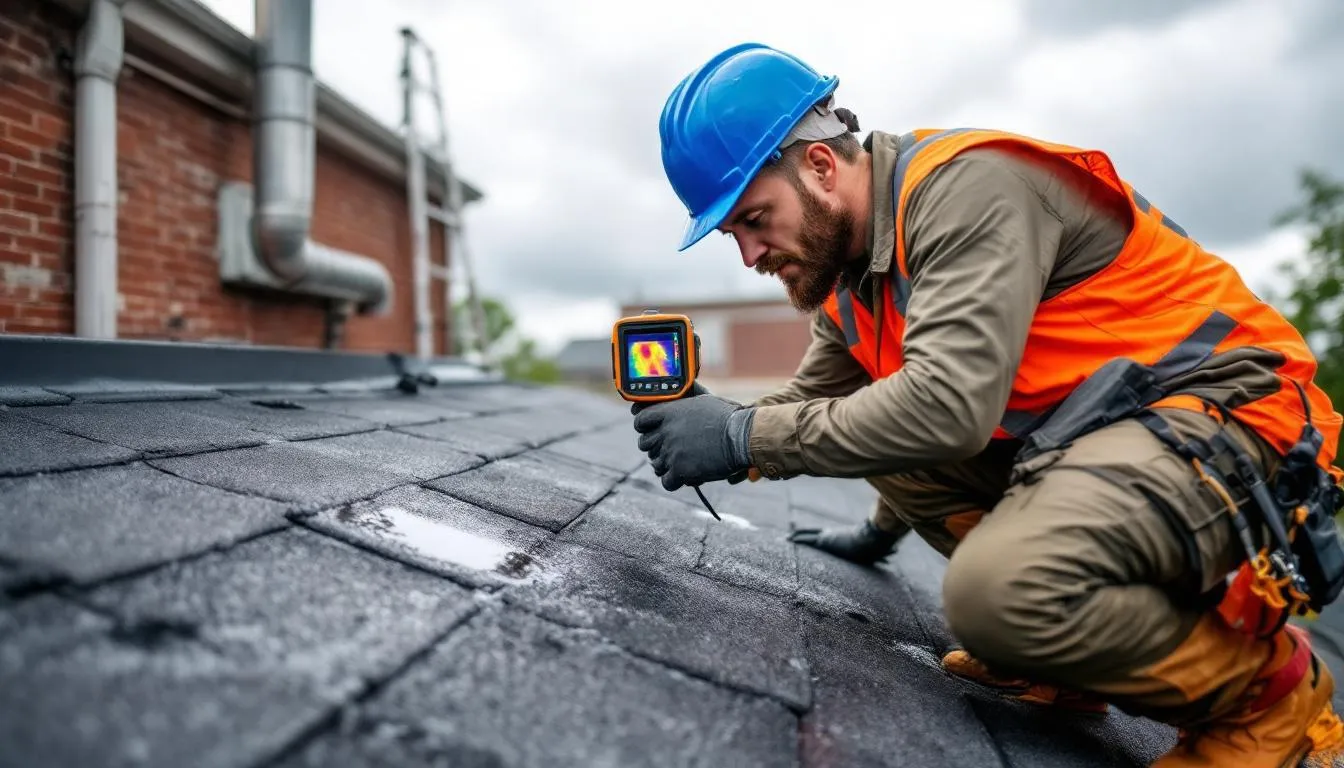
Roof leaks in Philadelphia often develop gradually before becoming emergency situations. Understanding common leaksources helps homeowners identify problems before they become critical.
Pinhole leaks that develop into major water intrusion during heavy rainfall often start small and worsen rapidly.Philadelphia’s freeze-thaw cycles can expand tiny gaps in roofing materials, turning minor imperfections into majorbreaches during the next storm event.
Roof valley leaks where different roof planes meet represent a common failure point in Philadelphia’s diversearchitectural landscape. Valleys concentrate water flow and are particularly vulnerable to ice dam formation anddebris accumulation.
Skylight leaks plague many of Philadelphia’s older row houses and historic buildings. These installations often failat the flashing interface, allowing water to penetrate around the skylight frame and into the home’s interior.
Chimney crown and flashing leaks affect thousands of homes built during Philadelphia’s major construction periodsfrom the 1920s through 1950s. Aging mortar and deteriorated flashing around chimney bases create pathways for waterintrusion that can affect multiple floors of a home.
Penetration leaks around HVAC units, plumbing vents, and satellite dishes occur when the sealing around theseinstallations fails. Modern equipment installations on older roofs often create challenges in maintainingweather-tight seals.
Winter Weather Emergency Repairs
Philadelphia’s winter weather creates unique emergency scenarios that require specialized knowledge and equipment toaddress safely and effectively.
Ice dam removal and prevention become critical during the city’s typical January-February freeze cycles. When warmair from inside the home melts snow on the roof, the resulting water can refreeze at the cooler roof edges, creatingdams that force water under shingles and into the home.
Snow load damage occurs when accumulation exceeds 20 pounds per square foot, a threshold that can be reached duringPhiladelphia’s heaviest snowfall events. Flat roofs common in commercial areas and row house extensions areparticularly vulnerable to snow load problems.
Frozen pipe damage affecting roof-mounted plumbing vents can create both plumbing and roofing problemssimultaneously. When vents freeze and block, interior pressure can force water and waste into the roofing system,creating health and safety hazards.
Gutter ice backup causes water to accumulate and back up under shingles when normal drainage is blocked. Thisscenario often develops gradually during extended cold periods and can cause extensive water damage beforehomeowners realize the problem exists.
Thermal shock damage from rapid temperature changes, which can reach 30-40°F swings during Philadelphia winters,stresses roofing materials and can cause sudden failures. Materials expand and contract at different rates, creatingstress points that can fail catastrophically.
Flat Roof Emergency Repairs
Philadelphia’s urban landscape includes thousands of buildings with flat or low-slope roofing systems that presentunique emergency repair challenges.
Membrane punctures and tears on commercial buildings and row house extensions often occur during severe weather whendebris impacts the roof surface. These single-ply membrane systems provide excellent weather protection when intactbut can fail dramatically when punctured.
Pooling water issues during Philadelphia’s heavy rainfall periods can overwhelm flat roof drainage systems. Whendrains become blocked or when rainfall exceeds design capacity, standing water can penetrate membrane seams andcause widespread damage.
Seam separation on TPO, EPDM, and modified bitumen roofing systems commonly occurs as these systems age or whensubjected to extreme temperature variations. Once seams begin to fail, water intrusion can spread rapidly acrosslarge roof areas.
Drain blockages causing ponding and potential structural overload represent serious emergency situations. When roofdrains become clogged with debris, water accumulates rapidly, and the additional weight can threaten the structuralintegrity of the entire building.
Emergency coating and patching provide immediate waterproofing solutions for flat roof systems. These temporarymeasures can buy time for proper repairs while preventing continued water intrusion and damage.
Emergency Roof Repair Services
Immediate Response Services
When emergencies strike, our immediate response services focus on damage control and temporary protection to preventfurther interior damage. Speed and effectiveness in these initial hours often determine the total cost ofrestoration.
Emergency roof tarping and weatherproofing within 2-4 hours of your call provides crucial protection againstcontinued weather exposure. Our industrial-grade tarps are designed specifically for roofing applications and canwithstand high winds and heavy precipitation while permanent repairs are planned and executed.
Water intrusion stopping using industrial-grade sealants and patches addresses active leaks immediately. Theseprofessional-grade materials provide superior protection compared to consumer products and can maintainweather-tight seals under challenging conditions until permanent solutions can be implemented.
Debris removal from roof surfaces and gutters eliminates ongoing damage sources and safety hazards. Storm debris lefton roofs can cause additional punctures and scratches, while blocked gutters prevent proper drainage and increasethe risk of water backup.
Temporary structural support for compromised roof areas ensures safety while permanent repairs are arranged. Whenstorm damage affects load-bearing elements, immediate shoring prevents potential collapse and allows safe access forrepair crews.
Emergency board-up services for large openings or holes provide security and weather protection when roof damagecreates significant breaches. These installations protect against weather, wildlife intrusion, and security concernswhile permanent repairs are completed.
Water extraction and drying services prevent mold growth and minimize secondary damage. We coordinate withrestoration companies to ensure that water removal begins immediately, reducing the risk of mold growth andpreserving structural integrity.
Permanent Repair Solutions
Once immediate damage control is complete, permanent repair solutions restore your roof’s full protection andperformance capabilities.
Shingle replacement using manufacturer-matched materials ensures both functionality and appearance consistency. Wemaintain extensive inventories of common shingle types and colors used throughout the philadelphia area, enablingrapid permanent repairs without aesthetic compromises.
Flashing repair and replacement with 26-gauge galvanized steel provides long-lasting weather protection at vulnerableroof intersections. Proper flashing installation requires specialized knowledge of local building codes and weatherpatterns to ensure optimal performance.
Decking replacement for water-damaged or rotted roof substrate addresses structural damage that often accompaniessevere leaks. When plywood or OSB decking becomes compromised, complete replacement is necessary to provide adequatesupport for new roofing materials.
Gutter and downspout repair or replacement ensures proper drainage and prevents future water backup problems.Philadelphia’s heavy rainfall requires robust drainage systems, and emergency situations often reveal inadequaciesin existing installations.
Chimney repair and crown restoration addresses one of the most common leak sources in Philadelphia’s historic housingstock. Proper chimney maintenance requires specialized masonry skills and knowledge of traditional constructionmethods.
Skylight resealing and replacement fixes another frequent leak source in the city’s older buildings. Modern skylighttechnology provides superior weather resistance compared to older installations while maintaining architecturalcharacter.
Complete roof replacement becomes necessary when damage exceeds 25% of the roof area or when the existing system hasreached the end of its service life. Emergency situations often reveal underlying problems that make fullreplacement the most cost-effective long-term solution.
Specialty Emergency Services
Philadelphia’s diverse architectural heritage requires specialized expertise for emergency repairs on historic andunique roofing systems.
Historic roof repair for Philadelphia’s 18th and 19th-century buildings demands knowledge of traditional materialsand methods. These repairs must balance immediate protection needs with preservation of architectural integrity andcompliance with historic district requirements.
Slate tile repair and replacement serves neighborhoods like Chestnut Hill and Mt. Airy where these premium roofingmaterials are common. Slate repairs require specialized tools and techniques, and improper repairs can cause moredamage than the original problem.
Clay tile repair for Mediterranean-style homes in suburban Philadelphia requires understanding of tile installationmethods and availability of matching materials. These systems provide excellent longevity when properly maintainedbut can fail catastrophically when damaged.
Metal roof repair for industrial buildings and modern residential installations addresses the growing popularity ofmetal roofing systems. These installations require specialized knowledge of thermal expansion, fastening methods,and appropriate sealants.
Green roof emergency maintenance serves Philadelphia’s environmentally-conscious property owners who have invested invegetative roofing systems. These complex installations require specialized knowledge to repair without damaging thegrowing medium or drainage layers.
Why Immediate Emergency Roof Repair is Critical in Philadelphia
Philadelphia’s unique climate and housing characteristics create conditions where delayed emergency roof repair canrapidly escalate into major property damage and health hazards.
Philadelphia’s high humidity, averaging 64%, accelerates mold growth within 48-72 hours of water intrusion. Once moldestablishes itself in building materials, remediation costs can exceed the original roof repair by thousands ofdollars. The health implications for family members, particularly children and elderly residents, can be severe andlong-lasting.
Freeze-thaw cycles during winter months expand water damage exponentially if not addressed immediately. Water thatpenetrates roofing materials during a storm can freeze and expand, creating larger gaps and more extensive damage.Each freeze-thaw cycle multiplies the extent of structural damage, turning minor leaks into major reconstructionprojects.
Insurance claims must be filed within 24-48 hours for storm damage coverage under most policies. Delays in reportingand documenting damage can result in claim denials or reduced settlements. Insurance companies expect propertyowners to take reasonable steps to minimize damage, and delays in emergency repairs can be viewed as negligence.
Secondary water damage can cost 3-5 times more than immediate roof repair. Water that enters through roof leaksdoesn’t stop at the attic—it continues through insulation, into wall cavities, and throughout the structure. Thelonger water flows, the more extensive the damage becomes, often requiring complete reconstruction of affectedareas.
Structural damage spreads quickly in Philadelphia’s older housing stock, where 60% of buildings were constructedbefore 1960. These older structures often lack modern moisture barriers and ventilation systems, making themparticularly vulnerable to water damage. What starts as a roof leak can quickly compromise floor joists, wall studs,and foundation elements.
Energy costs increase 15-30% with compromised roof integrity during heating season. Philadelphia’s cold wintersrequire substantial heating energy, and roof leaks allow heated air to escape while letting cold air infiltrate.Emergency repairs restore thermal efficiency and prevent ongoing energy waste.
Property value decreases significantly with visible water damage or mold issues. Real estate transactions inPhiladelphia’s competitive market are particularly sensitive to moisture problems, and unaddressed roof damage canmake properties unsaleable or require substantial price reductions.
Health risks from mold exposure are particularly dangerous for children and elderly residents. Philadelphia’s humidclimate accelerates mold growth, and certain mold species can cause serious respiratory problems, allergicreactions, and other health complications that require medical treatment.
Working with Insurance for Emergency Roof Repairs
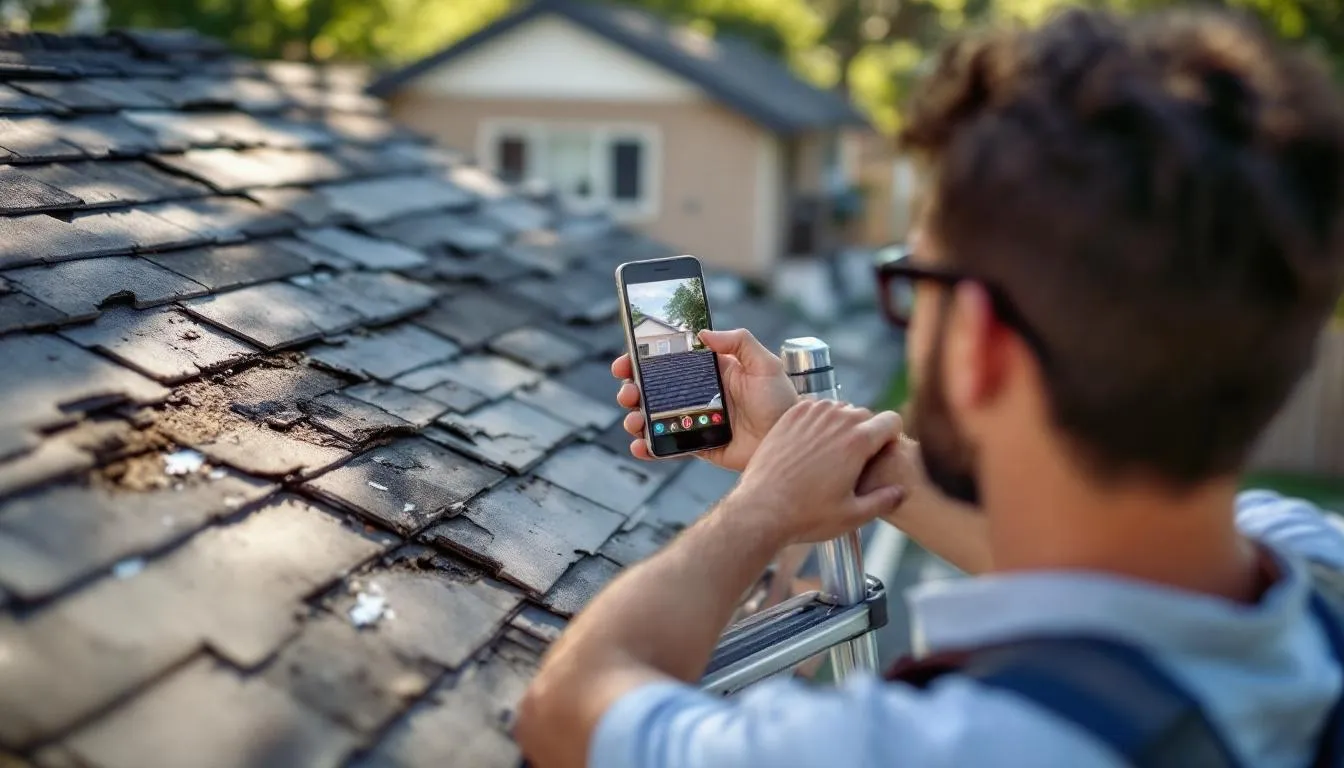
Navigating insurance claims for emergency roof repairs requires understanding your policy terms and following properprocedures to maximize coverage and minimize out-of-pocket expenses.
Document all damage with timestamped photos before any temporary repairs begin. Insurance adjusters need to see theextent of damage in its original state, and temporary repairs can obscure the true scope of the problem. Take photosfrom multiple angles and distances to provide comprehensive documentation.
Keep receipts for emergency tarping and temporary protection measures, as most policies cover reasonable expenses toprevent further damage. These protective measures demonstrate responsible property stewardship and are typicallyreimbursable under standard homeowner policies.
Work with roofing contractors experienced in the insurance claim process to ensure proper documentation andcommunication with adjusters. Professional contractors understand what information insurance companies require andcan provide detailed estimates that support your claim.
Understand your policy’s wind, hail, and water damage coverage limits before disaster strikes. Review your policyannually to ensure coverage amounts reflect current replacement costs, particularly important in Philadelphia’sappreciating real estate market.
Request emergency advance payments for immediate repairs when available. Many insurance companies provide expeditedpayments for emergency situations to prevent further damage while the full claim is processed.
Schedule adjuster inspection within 24-48 hours of filing your claim. Prompt inspection allows for faster claimprocessing and ensures that temporary repairs don’t interfere with damage assessment.
Obtain detailed written estimates for both emergency and permanent repairs from licensed contractors. Multipleestimates can support your claim and provide options for completion of permanent repairs.
Most Philadelphia homeowner policies cover sudden, accidental damage but exclude gradual deterioration. Understandingthis distinction helps ensure that emergency situations are properly classified and covered under your policy terms.
People Also Ask - Emergency Roof Repair FAQ
How quickly can you respond to emergency roof repair calls in Philadelphia?
Emergency response teams typically arrive within 2-4 hours during normal weather conditions throughout the greaterPhiladelphia area. Our dispatch system prioritizes calls based on severity, with active leaks and structural safetyhazards receiving priority response.
During major storm events affecting the entire region, response times may extend to 6-8 hours due to high call volumeand challenging travel conditions. However, our 24/7 phone service ensures immediate scheduling and dispatch, soyou’ll know exactly when to expect our arrival.
We maintain emergency repair crews specifically for urgent roof repair services, separate from our regularmaintenance and installation teams. This dedicated emergency capacity ensures that crisis situations receiveimmediate attention without delays caused by scheduled work.
Priority scheduling goes to situations involving active water intrusion, structural damage, or safety hazards. Ourexperienced dispatchers can assess the urgency of your situation over the phone and provide appropriate responsetiming based on your specific circumstances.
What is the average cost of emergency roof repair in Philadelphia?
Emergency tarping and temporary repairs typically range from $300-$800, depending on the size of the affected areaand complexity of access. These immediate protective measures are designed to stop further damage while permanentsolutions are planned and executed.
Minor leak repairs generally cost between $500-$1,500 when the damage is localized and doesn’t require extensive roofdeck replacement. These repairs often involve flashing replacement, shingle repair, or small membrane patches.
Shingle replacement covering 10-20 squares (1,000-2,000 square feet) typically costs $2,000-$5,000, depending onmaterial type and access challenges. Philadelphia’s diverse roofing materials and architectural styles can affectpricing for matching materials.
Major storm damage repairs range from $5,000-$15,000 when significant portions of the roofing system requirereplacement or when structural repairs are necessary. These projects often involve insurance claims and may requirepermits for extensive work.
Complete emergency roof replacement projects cost $15,000-$30,000 depending on home size, material selection, andcomplexity. Full replacement becomes necessary when damage exceeds 25% of the roof area or when existing systemshave reached end-of-life.
Costs vary significantly based on roof size, material type, accessibility, and extent of damage. Historic homes mayrequire specialized materials and techniques that affect pricing, while flat roofs often involve different repairmethods than sloped systems.
Should I attempt emergency roof repairs myself?
Never attempt roof repairs during active storms or on wet, icy, or damaged surfaces. Professional roofers havespecialized safety equipment, training, and insurance coverage that protect them during dangerous conditions.Homeowner accidents on roofs result in serious injuries and even fatalities every year.
DIY repairs often void manufacturer warranties and insurance coverage. Roofing materials typically come withwarranties that require professional installation and repair. Insurance policies may also exclude coverage fordamage caused by improper repairs or maintenance.
Improper emergency fixes can cause additional damage and create safety hazards. Well-intentioned DIY efforts oftenmake problems worse by allowing water intrusion in new areas or creating unstable roof conditions that endanger bothproperty and people.
Professional equipment and safety training are required for safe roof access under emergency conditions. Emergencysituations create additional hazards beyond normal roofing risks, including unstable surfaces, electrical hazardsfrom wet conditions, and unpredictable weather.
Focus on interior damage control while waiting for professional emergency services. You can safely move valuables,place containers to catch leaks, and document damage from inside your home without exposing yourself to roof-relateddangers.
How do I prevent future roof emergencies?
Schedule biannual roof inspections during spring and fall to identify potential issues before they becomeemergencies. Professional inspections can detect loose shingles, damaged flashing, and other vulnerabilities thatmight fail during the next storm event.
Clean gutters and downspouts quarterly to prevent water backup and ice dam formation. Philadelphia’s abundant treecoverage means gutters collect substantial debris throughout the year, and blocked drainage creates water backupproblems during heavy rainfall.
Trim overhanging tree branches to prevent debris damage during storms. Mature trees provide wonderful shade andcharacter but can become dangerous projectiles during high winds. Regular trimming reduces the risk of impact damageto roofing systems.
Replace aging roof materials before they reach end of service life. Most roofing materials provide warning signsbefore complete failure, and proactive replacement prevents emergency situations while potentially qualifying forinsurance discounts.
Install proper attic ventilation to prevent ice dam formation and reduce thermal stress on roofing materials.Adequate ventilation maintains consistent roof temperatures and prevents the warm-cold cycles that create ice damsduring Philadelphia winters.
Address minor repairs immediately to prevent escalation during severe weather. Small problems like loose shingles orminor flashing gaps can become major issues when stressed by storm conditions. Prompt attention to minor issuesprevents major emergencies.
What should I do if I suspect roof damage but don’t see obvious leaks?
Schedule professional inspection within 24 hours of suspected damage. Hidden damage often worsens quickly,particularly when roofing systems are compromised but haven’t yet failed completely. Early intervention preventsemergency situations and reduces repair costs.
Check attic spaces for water stains, mold growth, or daylight penetration through the roof deck. Many roof problemsbecome visible in attic spaces before they create obvious interior leaks. Regular attic inspections can revealproblems in their early stages.
Monitor ceilings and walls for discoloration, soft spots, or other signs of moisture intrusion. Water damage oftenappears in areas distant from the actual roof problem, following structural members and appearing in unexpectedlocations.
Document any changes in energy bills that might indicate compromised roof integrity. Sudden increases in heating orcooling costs can indicate air leakage through damaged roofing systems, even when obvious leaks aren’t present.
Many insurance policies require prompt investigation of suspected damage, even when immediate leaks aren’t apparent.Policies often include coverage for necessary inspections to determine the extent of damage, and delays ininvestigation can affect coverage.
Professional assessment can identify vulnerabilities before they become emergency situations. Experienced roofers candetect subtle signs of damage that predict future failures, allowing for planned repairs rather than emergencyinterventions.
Emergency roof repair in Philadelphia requires immediate professional attention to protect your property and familyfrom the city’s challenging weather conditions. With our 24/7 emergency response team, comprehensive services, anddeep understanding of Philadelphia’s unique roofing challenges, we’re ready to restore your roof’s protection whenyou need it most. Don’t wait for small problems to become major disasters—contact our emergency roofing servicesimmediately when damage occurs, and let our professional roofing company provide the reliable service and expertiseyour home deserves.
Free Consultation — Emergency Roof in Emergency Philadelphia
No upfront fees. Pay only if you win.
Tell us what happened, and we'll connect you with a Emergency Roof specialist in Emergency Philadelphia today. Fast callbacks, clear guidance, and strong advocacy from local professionals who know the area.
Disclaimer: This site connects you with independent local professionals. No professional relationship is formed until a signed agreement.